
Oxygen Cleaning & LOX Documentation
Oxygen Cleaning & Traceable Documentation for Cryogenic Vaporizers
FWM vaporizers are cleaned, inspected, sealed, tagged, and documented for oxygen service using a controlled multi-stage process with serial-number traceability from production through shipment.
Oxygen cleaning is not a checkbox at FWM. Our process starts before final assembly, continues through cleanliness-preserving production, and includes redundant final cleaning and inspection of the completed unit before it leaves our U.S. facility.
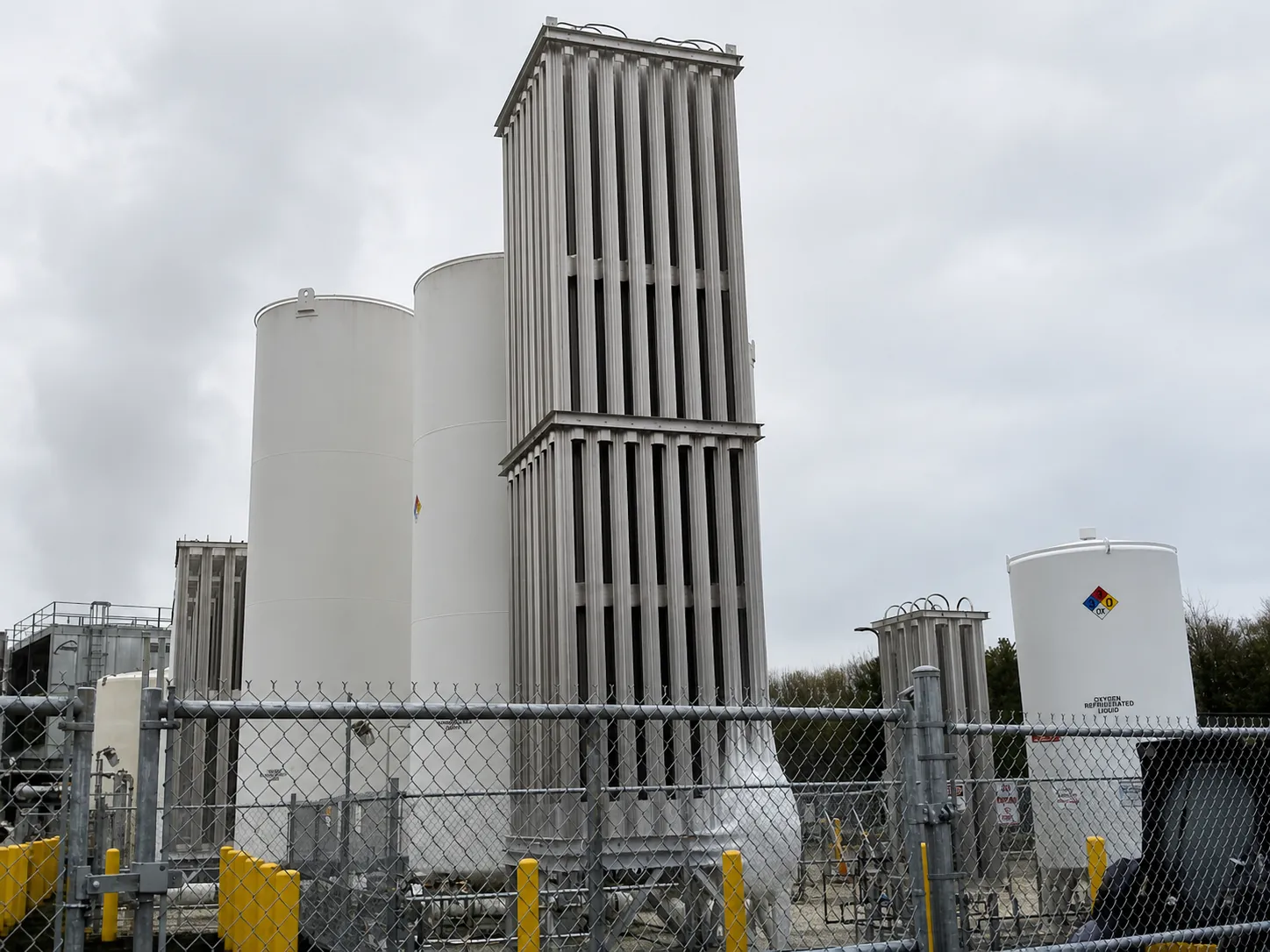
Process at a Glance
- Multi-stage oxygen cleaning process
- Redundant final cleaning after assembly
- CGA G-4.1 / ASTM G-93 referenced procedure
- Visual, black light, wipe, and solvent verification
- LOX Clean Certificate and pressure-test documentation
- Secure customer access to unit status and model specifications
A Multi-Stage Process, Not a Checkbox
Many manufacturers treat oxygen cleaning as a single step applied at the end of production. At FWM, cleanliness is controlled across the entire build. We prepare LOX-clean components, assemble the vaporizer under conditions that preserve that cleanliness, and then clean the completed unit again before it is inspected.
That redundant final cleaning matters. It removes any contamination introduced during assembly and confirms the finished unit meets oxygen-clean acceptance criteria before it is sealed, tagged, and documented under its serial number.
Built for LOX and High-Purity Gas Applications
FWM ambient air vaporizers are cleaned and documented for demanding oxygen and high-purity gas service. Whether a unit is destined for liquid oxygen service, a medical oxygen system, or an OEM cryogenic equipment program, the same controlled cleaning and traceability process applies.
Reviewing options across the lineup? See the full vaporizer product range.
Oxygen cleaning and documentation can also be applied to stainless and custom high-pressure configurations where required, confirmed during application review. It is not automatic for all configurations. See custom and high-pressure stainless capability.
Why FWM's Process Stands Apart
Basic cleaning claims are common. A controlled, redundant, and documented process is not. The difference shows up in how cleanliness is controlled across the build, who performs the work, and what records follow the unit after it ships.
Multi-stage cleaning control
Cleanliness is controlled from component preparation through final assembly, not applied as a single step at the end of production.
Redundant final cleaning after assembly
The completed unit is cleaned again after assembly, so any contamination introduced during build is removed before inspection.
Trained personnel only
Oxygen cleaning and inspection are performed by trained personnel working to a defined, referenced procedure.
Serial-number traceability
Each unit carries a serial number that ties its cleaning, inspection, and test records together from production through shipment.
Inspection and re-cleaning controls
Units that do not meet acceptance criteria are re-cleaned and re-inspected before they are sealed and released.
Certificate documentation available with each unit
A LOX Clean Certificate and supporting documentation can accompany each unit and remain accessible afterward.
Controlled, High-Level Overview
FWM Oxygen Cleaning Process
The process below is a high-level overview of how a unit moves from clean components to a sealed, documented vaporizer. It is intentionally not an operator work instruction.
LOX-Clean Component Control
Components destined for oxygen service are prepared and handled as LOX-clean before assembly begins. Controlling cleanliness at the component level keeps contamination out of the unit from the start, rather than relying on a single cleaning step at the end.
Cleanliness-Preserving Assembly
The vaporizer is built under conditions intended to preserve the cleanliness established at the component stage. Controlled assembly limits the introduction of oils, particulate, and fibrous material into the internal surfaces of the unit.
Redundant Final Cleaning
After assembly, the completed unit goes through a redundant final cleaning. This second pass removes any contamination introduced during the build and confirms the internal surfaces are returned to an oxygen-clean condition before inspection.
Inspection and Verification
The cleaned unit is inspected and verified against defined acceptance criteria using visual, black light, and wipe methods, with solvent circulation and lab analysis applied when required. Units that do not pass are re-cleaned and re-inspected.
Sealing, Tagging, and Documentation
Once a unit meets the acceptance criteria, it is sealed and tagged to preserve its oxygen-clean condition, and its records are documented under its serial number. The result is a unit that arrives clean, identified, and traceable.
Inspection & Verification
Verification combines several methods so cleanliness is confirmed in more than one way before a unit is sealed. The cold solvent method removes grease, oil, lubricants, dirt, water, filings, and loose fibrous material from internal surfaces, referencing CGA G-4.1 and ASTM G-93.
Visual inspection
Internal and accessible surfaces are examined for grease, oil, dirt, water, filings, and loose fibrous material.
Black light inspection
Surfaces are checked under black light to reveal hydrocarbon films that are not readily visible under normal lighting.
Lint-free wipe inspection
Lint-free wipes are used to check for residual film and particulate on internal surfaces.
Solvent circulation and lab analysis
When required, solvent is circulated through the unit and analyzed to confirm cleanliness against the acceptance criteria.
Re-cleaning if criteria are not met
If a unit does not meet acceptance criteria, it is re-cleaned and re-inspected before it can be sealed and released.
Serial-number documentation
Inspection results are recorded against the unit serial number so the cleaning history follows the unit.
Acceptance Criteria
Hydrocarbon film
≤ 6 mg / ft²
6 mg per square foot or less
Particulate matter
≤ 10 mg / ft²
10 mg per square foot or less
Referenced standards: CGA G-4.1 and ASTM G-93. The controlled cold solvent method removes grease, oil, lubricants, dirt, water, filings, and loose fibrous material from internal surfaces.
Documentation That Follows the Unit
Each unit is documented under its serial number so its cleaning and test history is recorded and retrievable. Documentation can travel with the unit and remain accessible afterward to support audits and repeat orders.
Depending on the unit and order, documentation may include the following records.
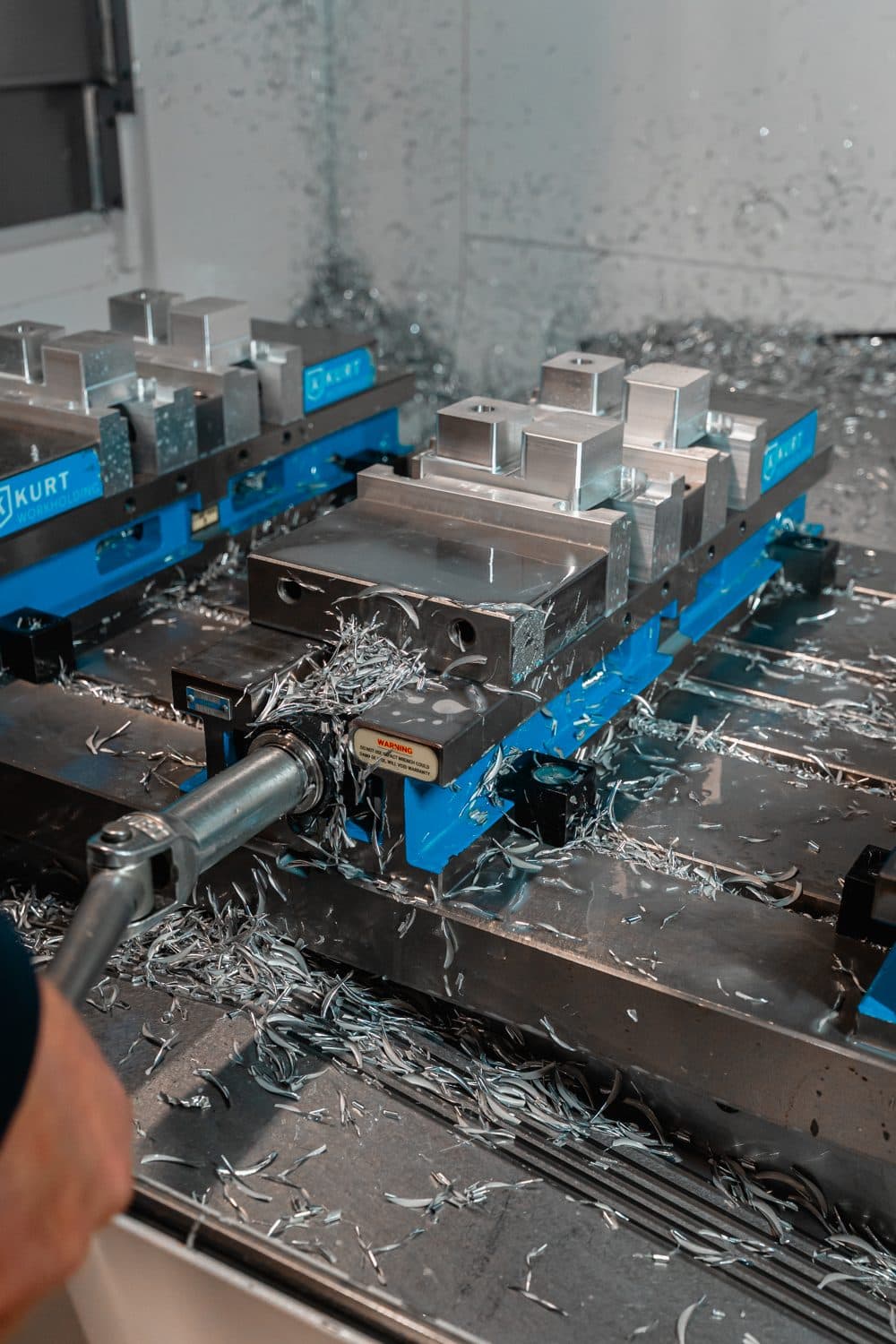
Documentation Record Fields
- LOX Clean Certificate
- Pressure test certificate (when applicable)
- Model number
- Model type
- Serial number
- Sales order or customer reference
- Date of cleaning
- Test method
- Test pressure
- Cleaning status
- Seal and tag confirmation
- Manufacturing or inspection notes where applicable
Customer Access
Secure Customer Access to Unit Status & Model Specifications
Documentation is most useful when customers can reach it. FWM provides secure customer access to unit status and model specifications by serial number, so teams can confirm cleaning and test status, retrieve certificates, and support audits without waiting on a phone call.
- View cleaning status by serial number
- Check model specifications
- Confirm pressure-test status
- Access LOX Clean Certificate and QC documentation
- Review shipment-ready status
- Track documentation for repeat orders
- Support customer audits
- Serial No.
- 1264801
- Model
- Ambient Vaporizer
- Cleaning Status
- Complete
- Pressure Test
- Passed
- LOX Certificate
- Available
- Model Spec
- Available
- Shipment Status
- Sealed & Tagged
- LOX Clean Certificate
- Pressure Test Record
- Model Specification Sheet
- Serial Number Record
- Shipment / Seal Confirmation
Example unit record shown for illustration. Values do not represent live data.
Why It Matters
For oxygen and high-purity gas service, how a unit is cleaned and documented is a safety and quality decision, not a formality. A controlled process with traceable records gives your team confidence in every unit you receive.
Safety
Oxygen service is unforgiving of hydrocarbon contamination. A controlled, redundant cleaning process reduces the risk of contamination reaching a unit in LOX or high-purity oxygen service.
Quality
Cleaning to a referenced procedure with defined acceptance criteria, then inspecting and re-cleaning as needed, produces a consistent, repeatable result across units.
Traceability
Serial-number records tie cleaning, inspection, and test documentation to each unit, so status can be confirmed and audited long after shipment.
United States
Built and Documented in the USA
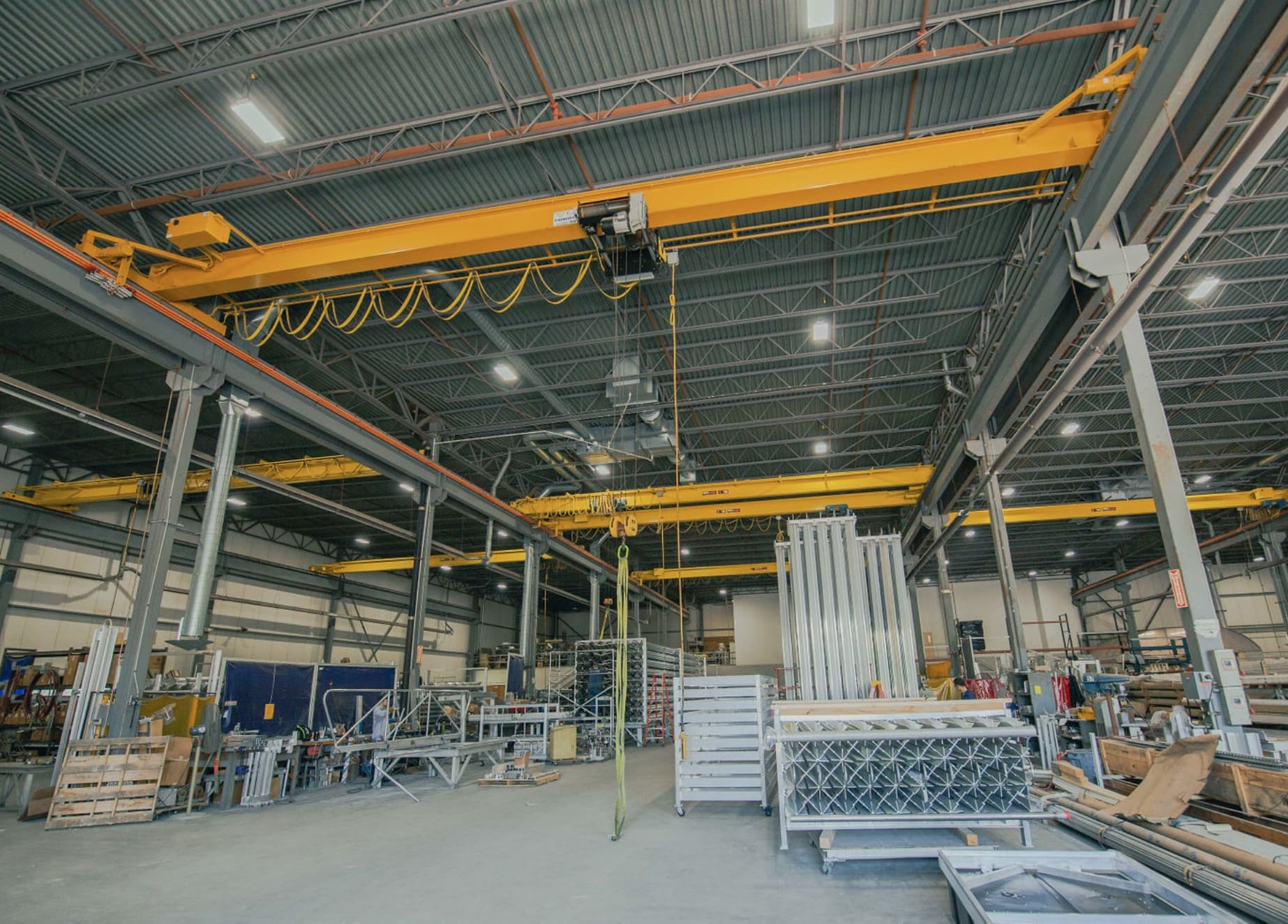
FWM manufactures, cleans, inspects, and documents vaporizers in-house at our U.S. facility. Keeping the work under one roof is what lets us control cleanliness across the build, tie records to each serial number, and support unit documentation over the long term.
- In-house manufacturing
- Controlled cleaning and inspection
- Serial-number tracking
- Pressure-test documentation
- Customer-accessible unit records
- Long-term documentation support
Need a vaporizer supplier with a real multi-stage oxygen cleaning process?
Request oxygen cleaning documentation, talk through your application with our engineering team, or sign in to review unit status and model specifications.