
Technical Resources
Ambient vs electric vaporizers
Choosing between ambient air and electric vaporizers depends on your application, site conditions, and operating requirements. Here's how the two technologies compare.
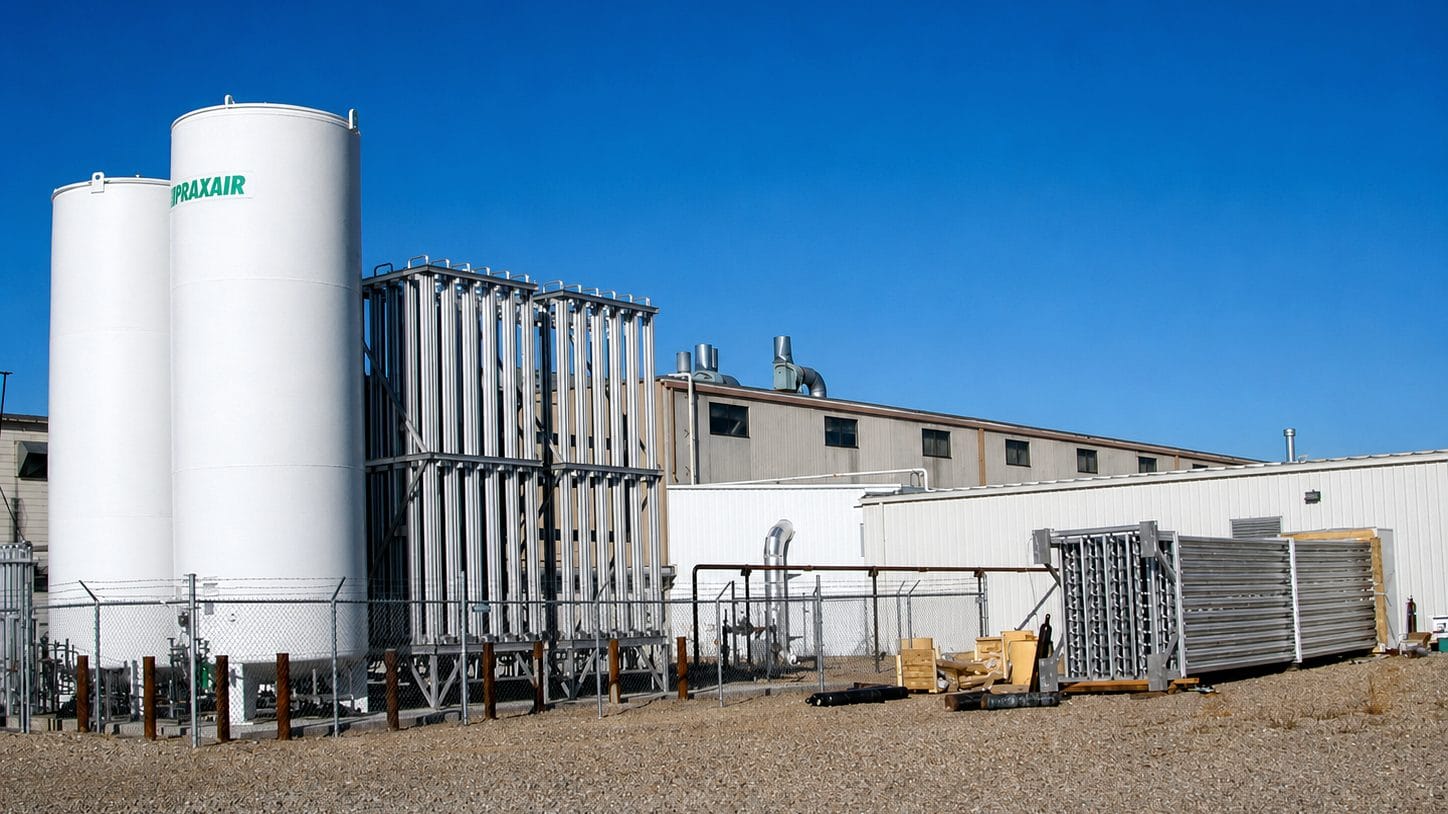
Ambient Air
Zero-power vaporization
Ambient air vaporizers use the natural temperature difference between the cryogenic liquid and surrounding air to drive vaporization. No purchased energy for vaporization during standard ambient operation, just atmospheric heat exchange.
Electric
Powered vaporization
Electric vaporizers use heating elements to provide the energy for vaporization. They offer consistent performance regardless of ambient conditions but require electrical infrastructure and ongoing energy cost.
When to choose ambient
Ambient air vaporizers are typically preferred when electricity cost or availability is a concern, when the application can accommodate outdoor installation, and when intermittent or moderate flow rates allow for natural defrost cycles. They're the standard choice for liquid cylinder service and many bulk storage applications.
FWM engineers can help you evaluate whether ambient vaporization is right for your specific application, site conditions, and flow requirements.