
Materials
Materials We Work With
FWM specializes in aluminum and stainless steel. Choosing the right alloy and temper is the first engineering decision in any build, the table below covers the grades we run most, their key properties, and where each one fits. If your application calls for a material not listed here, ask us.
Best for
OEMs specifying aluminum or stainless for fabricated, welded, or machined components.
Documentation
Full material traceability with mill certifications and lot tracking available.
Aluminum Alloys
Aluminum's strength-to-weight ratio and corrosion resistance make it the foundation of most FWM work, from machined components to large welded structures.
| Alloy | Family | Key Properties | Typical Applications |
|---|---|---|---|
| 6061-T6 | Heat-treatable (6xxx) | Strong and versatile with a good strength-to-weight ratio; readily weldable and highly machinable. The workhorse structural aluminum. | Structural frames, machined components, extrusions, brackets |
| 5083 | Non-heat-treatable (5xxx) | Highest strength of the common non-heat-treatable alloys; outstanding corrosion resistance and excellent toughness at cryogenic temperatures. | Marine structures, pressure and cryogenic vessels |
| 5052 | Non-heat-treatable (5xxx) | Excellent formability and very good corrosion resistance, especially in marine and saltwater environments; good fatigue strength. | Formed parts, enclosures, panels, marine components |
| 3003 | Non-heat-treatable (3xxx) | General-purpose alloy with moderate strength; very weldable and formable with good corrosion resistance. | General fabrication, heat-transfer components, housings |
Stainless Steel
When corrosion resistance, hygiene, or strength at temperature matters, we work in austenitic stainless, most often 304 and 316.
| Grade | Family | Key Properties | Typical Applications |
|---|---|---|---|
| 304 | Austenitic stainless | The most widely used stainless; excellent corrosion resistance, good formability, and easy to weld. Reliable in most general environments. | Enclosures, brackets, panels, general corrosion-resistant parts |
| 316 | Austenitic stainless | Adds molybdenum for superior resistance to chlorides, pitting, and crevice corrosion, the preferred choice for marine and harsh chemical exposure. | Marine and chloride environments, process and chemical components |
Stainless Pressure-Path & Specialty Alloys
For applications beyond standard aluminum configurations, FWM can review stainless pressure-path components, stainless-lined configurations, and specialty alloys where appropriate. Material selection, pressure rating, and compatibility are confirmed by engineering review for the specific application.
Stainless steel pressure-path
Stainless steel pressure-path components for custom vaporizer and assembly requirements, reviewed where appropriate.
Stainless-lined configurations
Stainless-lined configurations for applications that call for material compatibility beyond standard aluminum, confirmed by engineering review.
Specialty alloys
Specialty alloys evaluated where appropriate based on gas service, pressure, corrosion, cleaning, and code requirements.
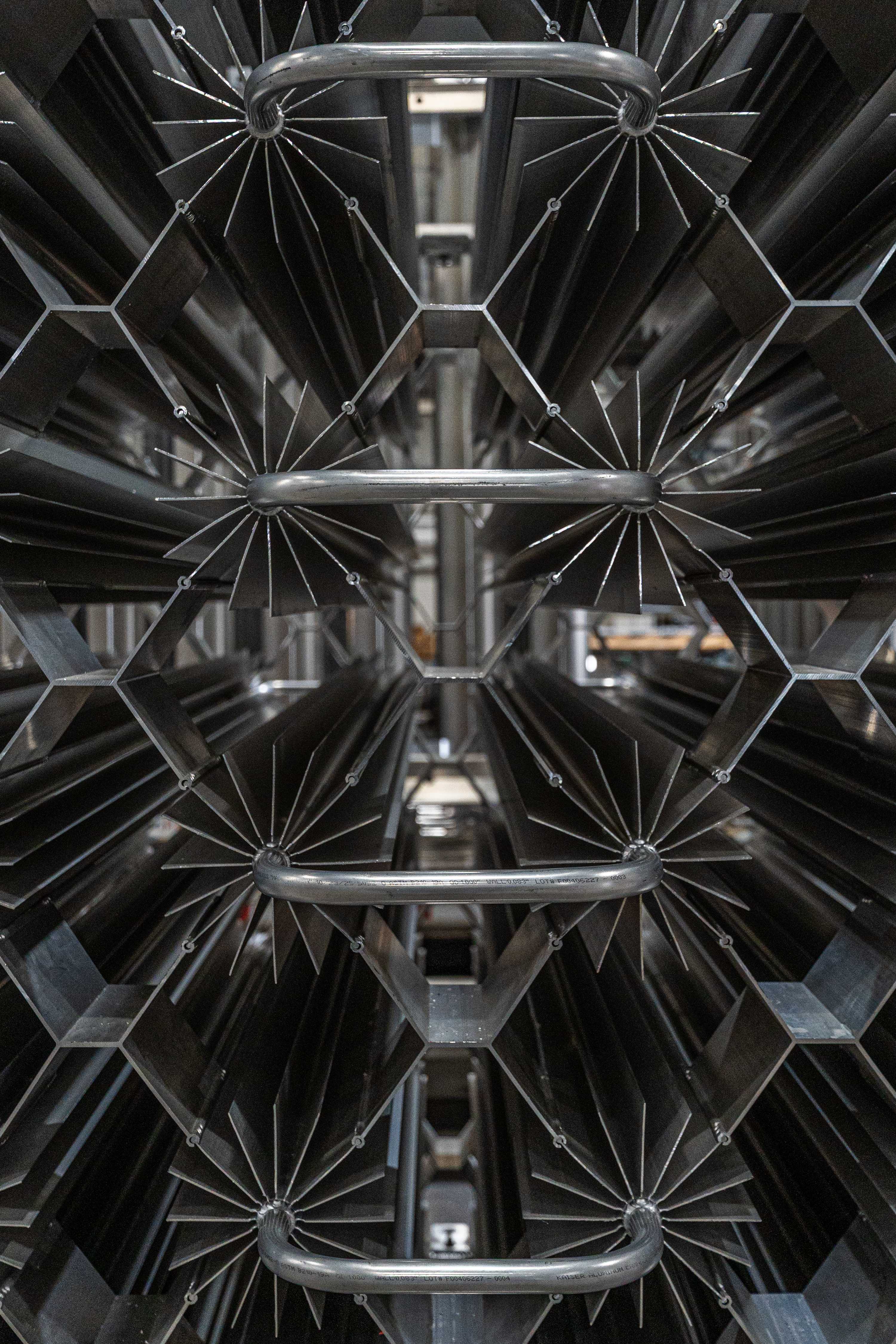
Hydro-expanded tube/fin construction
FWM uses hydro-expanded tube/fin construction as a technique where appropriate for custom vaporizer and heat-exchanger assemblies. Hydro expansion can create controlled mechanical contact between the pressure tube and heat-transfer surface, supporting consistent thermal transfer and repeatable production. Construction details, materials, pressure ratings, and inspection requirements are confirmed during engineering review. See custom and high-pressure stainless capability.
Understanding Temper Designations
The suffix after an alloy number describes its temper, how the metal was processed to reach its mechanical properties. It matters as much as the alloy itself, because the same base metal can be soft and formable or hard and strong depending on temper.
-T tempers are heat-treated. For example, 6061-T6 is solution heat-treated and artificially aged for maximum strength, the most common condition for structural and machined aluminum.
-H tempers are strain-hardened (cold-worked) and apply to non-heat-treatable alloys. For example, 5052-H32 is strain-hardened and then stabilized to a quarter-hard condition, balancing strength with the formability those alloys are valued for. An -O temper denotes the fully annealed, softest, most formable state.
When you send an RFQ, specifying the temper alongside the alloy helps us confirm the right material for your strength, forming, and corrosion requirements.
Ready to Start
Not sure which alloy fits your application?
Send your drawings or requirements and our team will recommend the right material and temper with your quote.